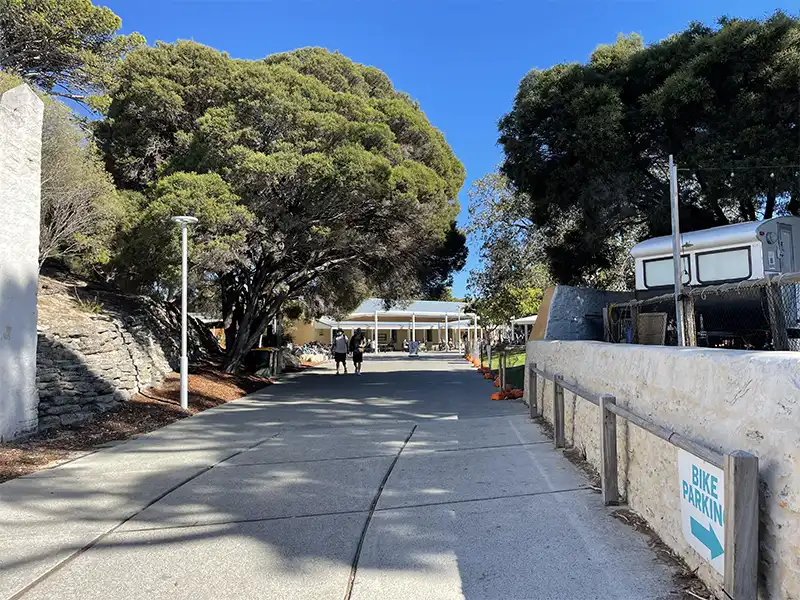
There is no single way to experience Rottnest.
For some visitors, the perfect day is a bicycle, a swimming costume and a map. Others prefer a guided coach tour, a sailing experience or a relaxed day exploring the island's history and wildlife.
Meet the Quokkas
The quokka is Rottnest's most famous resident – and deservedly so.
These small marsupials are found across Wadjemup and can often be seen around the settlement and other parts of the island.
Remember that they are wild animals. Enjoy seeing them, but allow them to approach you rather than feeding or handling them.
Cycle Around the Island
Cycling is one of the best ways to experience Rottnest.
There are more than 22 kilometres of roads and cycle paths, ranging from relatively easy rides between the main settlement and nearby beaches through to the more demanding full island loop. E-bikes are also available.
If you're reasonably fit, cycling gives you the freedom to stop whenever you want – something that is difficult to replicate on a conventional sightseeing tour.
Swim & Snorkel
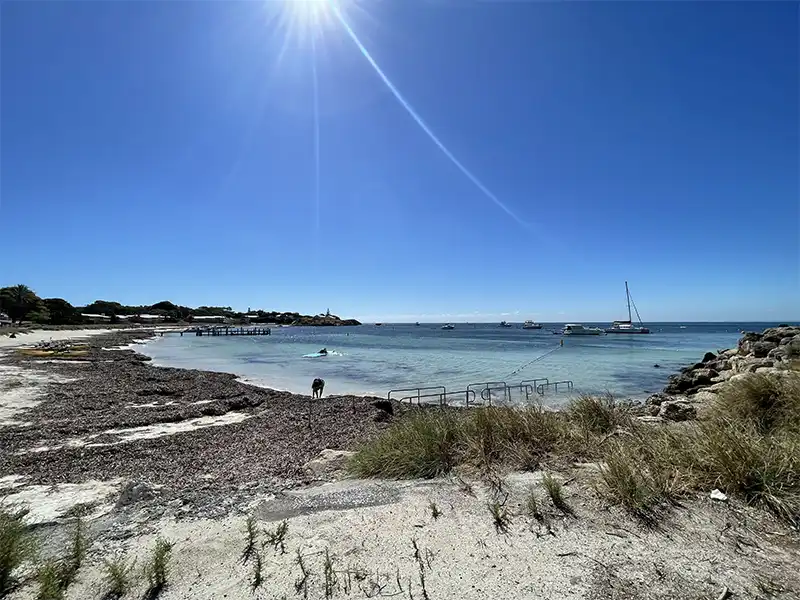
Rottnest is surrounded by clear Indian Ocean water, with beaches, bays, reefs and sheltered swimming locations spread around the island.
The Basin, Little Salmon Bay, Parker Point and Little Armstrong Bay are among the locations worth considering, although conditions can vary with wind and swell.
For serious snorkellers, joining a marine or snorkelling tour can be a particularly good way to discover parts of the coastline that you might otherwise miss.
Explore the Island by Tour
If cycling isn't your thing, don't worry.
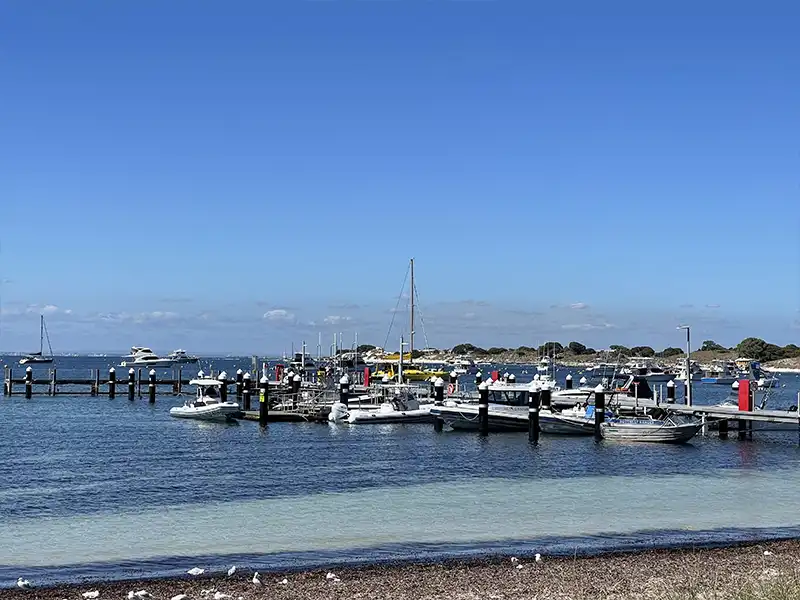
You can explore Rottnest by coach, bus, Segway, sailing boat or guided tour, allowing you to see much more of the island without having to ride around it yourself.
A guided experience can also add something a bicycle can't: local knowledge, history and context.
Walk the Wadjemup Bidi
Rottnest isn't just a cycling destination.
The Wadjemup Bidi walking trail network provides another way to explore the island, linking beaches, coastal scenery, bushland and places of cultural and historical significance.
Walking is particularly attractive in the cooler months, when the island's landscapes can be enjoyed without the heat of the summer sun.